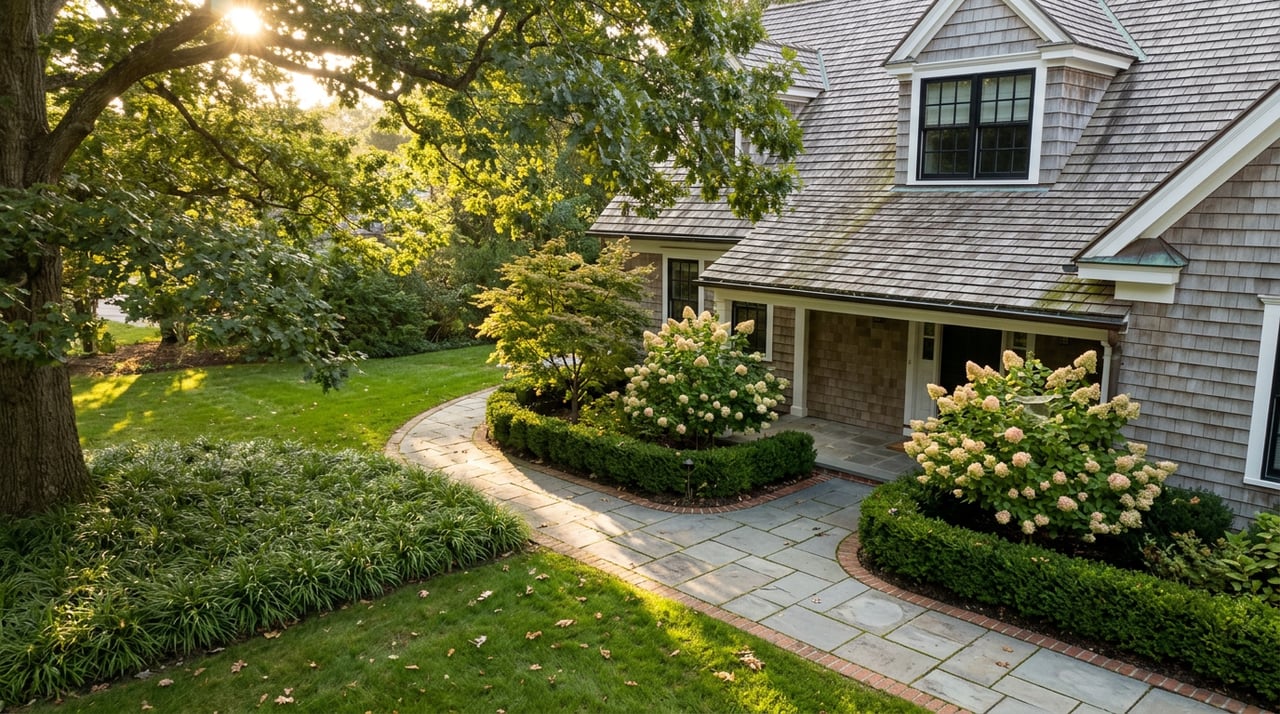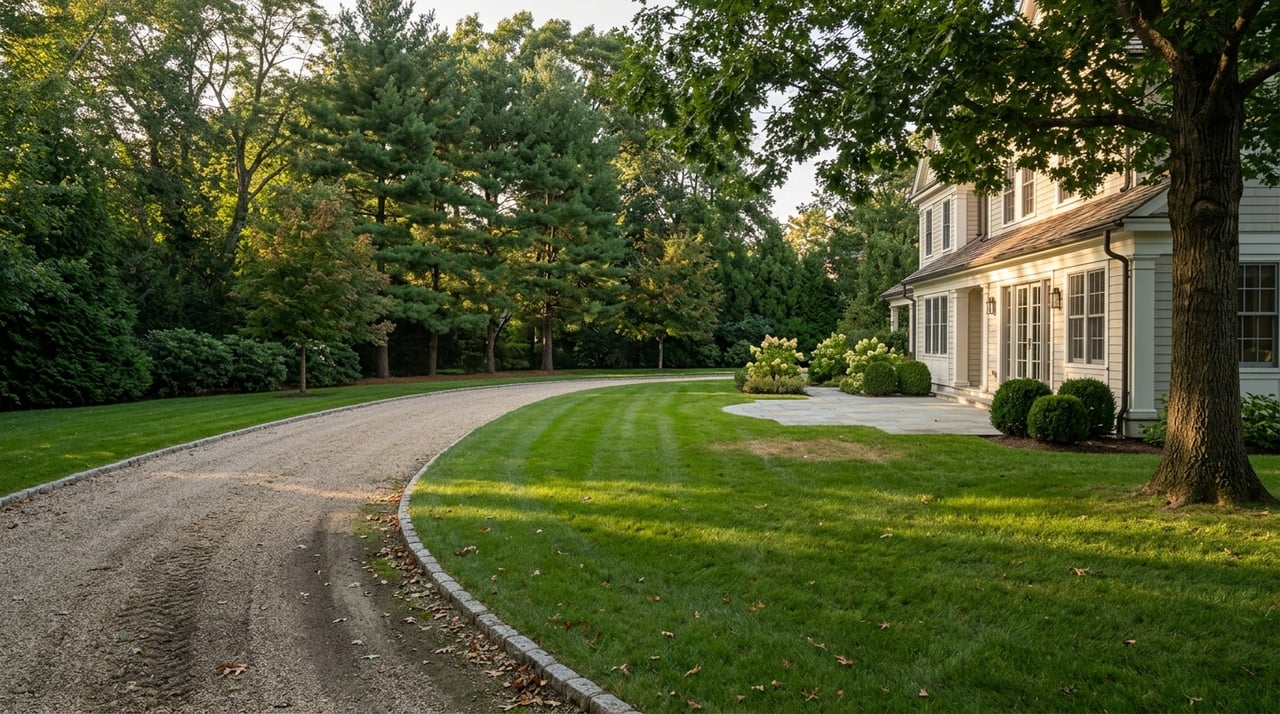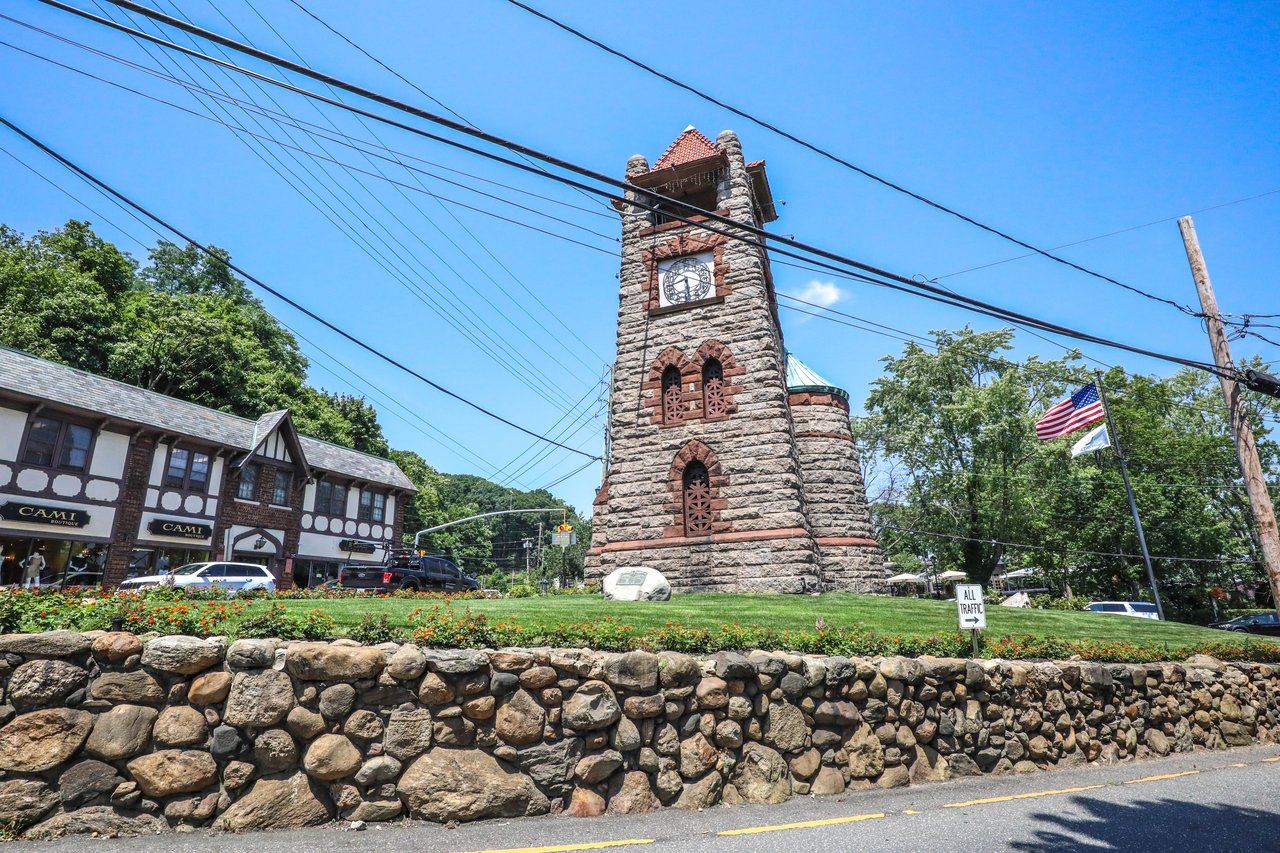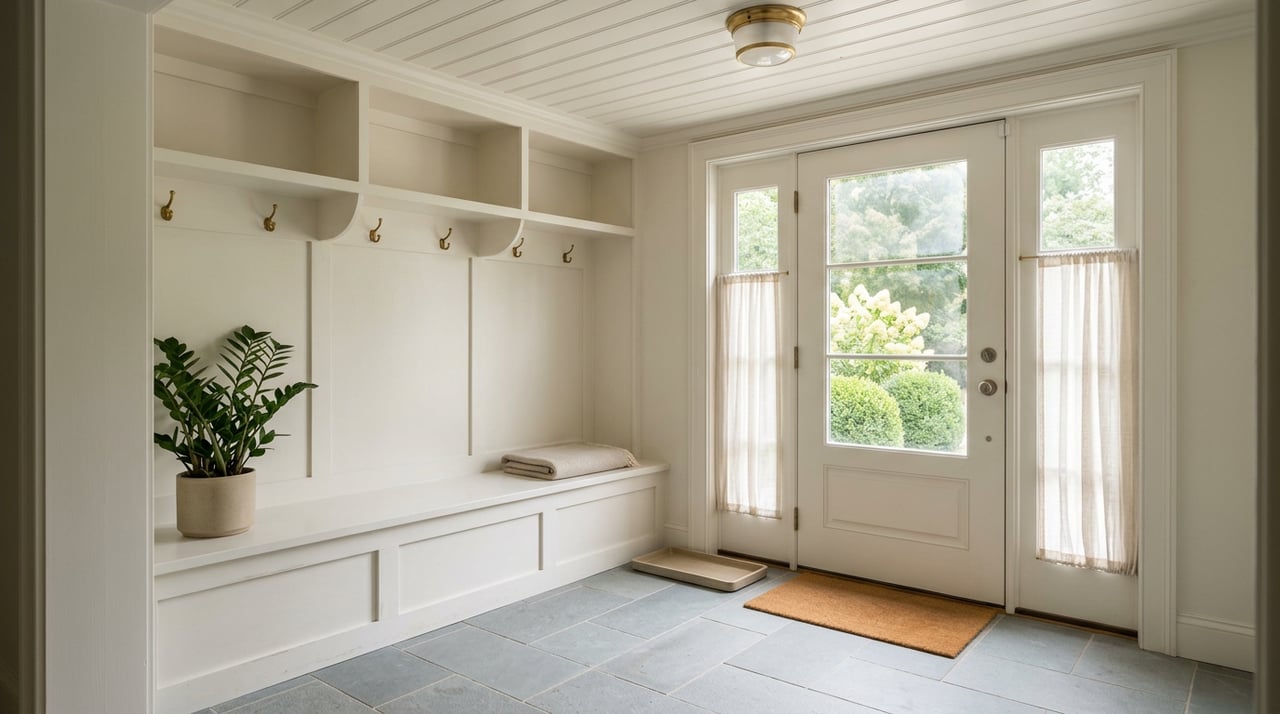
A house listed at $3.89 million looks finished. The kitchen is done, the pool is gunited, the driveway curves past mature plantings that took decades to grow in. What the listing sheet does not show is what happens underneath the lawn, and in Old Westbury, that gap between what you see and what you're actually buying shows up more often than buyers expect.
Most villages on Long Island's North Shore let you forget about where the water goes once you flush. Old Westbury does not. Whether a property sits on public sewer or relies on a private septic or cesspool system is not a footnote here. It shapes how a renovation gets planned, how a sale gets documented, and in some cases, how long a deal takes to close.
The Sewer Line That Isn't There
The village's own guidance on the subject is direct: most properties in Old Westbury cannot connect to the Nassau County sewer system, and the farther north you go toward Brookville, the rarer that access becomes. A narrow band of homeowners south of the Long Island Expressway, along a stretch of Old Westbury Road, sit inside the county sewer district. Nearly everyone else relies on a cesspool or septic system, regardless of what the home is worth.
That last point is the one buyers tend to miss. A $2 million colonial and an $8 million estate a mile apart can both be running on the same basic infrastructure. Price does not correlate with plumbing here. Acreage, age, and location within the village do.
The village also notes that even a well-maintained system discharges nitrogen into the ground that eventually reaches the water supply, which is why Nassau County has been pushing homeowners toward upgraded, nitrogen-reducing systems rather than treating the old setup as a permanent fixture.
The Paperwork That Follows the Property
Here is the part that actually touches a transaction. Nassau County requires cesspool and septic pumping records for two things: renovation permits and property transfers. If a seller cannot produce documentation showing regular service by a licensed contractor, that gap can delay the closing itself, not just the permit process.
This is a different kind of due diligence than most buyers are used to running. A home inspection tells you about the roof and the mechanicals. It does not tell you whether the seller has three years of pumping receipts sitting in a drawer or nothing at all. On a property that has changed hands once or twice in fifty years, that documentation gap is common, and it is exactly the kind of detail that surfaces late in a deal if nobody asks early.
New York State treats every Long Island cesspool as a failing system by design, because none of them remove nitrogen. That classification is part of why Nassau County offers grants of up to $20,000 to help homeowners upgrade to nitrogen-reducing systems, a program worth knowing about whether you are the one selling an older system or the one inheriting it.
For a seller, the practical takeaway is simple: gather the pumping records, note the system's age, and know whether the property falls inside that small sewer-district band before a buyer's attorney asks. For a buyer, the takeaway is to ask for that documentation in the same breath as you ask about the roof.
Twenty Percent Is the Number That Matters More Than Square Footage
Renovation timelines are where the second surprise lives. Old Westbury's Planning Board Sub-Committee is responsible for architectural review of any structure or home where an addition or alteration increases the surface area by 20 percent or more. That review sits on top of the standard building permit, not in place of it.
For a buyer planning to add a primary suite, expand a kitchen footprint, or build out a guest wing, that 20 percent threshold is worth calculating before the offer goes in, not after. A renovation that clears the standard permit process in a matter of weeks can still sit in front of the Sub-Committee for a separate architectural review if the addition crosses that line.
The same layered approach shows up in the village's rules for retaining walls, which are common on Old Westbury's sloped, multi-acre lots. Any new retaining wall 24 inches or taller requires its own permit. Walls between 24 and 60 inches go a step further and require review by the Planning Board Subcommittee before that permit is even issued. It is a small detail, but it reflects how the village handles most exterior changes on estate-scale properties: there is the permit, and then there is the review layer sitting behind it.
None of this is unusual for a village built around large lots and long-held estates. It is simply a variable that a renovation budget and a renovation timeline both need to account for, and it is not something a standard buyer's checklist tends to flag.
What the Spread in This Year's Sales Is Actually Telling You
As of mid-June 2026, there were 36 luxury homes on the market in Old Westbury at a median listing price of $3.89 million, with typical time on market running 117 days. That figure alone suggests a market that moves deliberately rather than quickly, which tracks with everything above. Estate-scale due diligence, whether it is chasing down decades-old pumping records or waiting on a Sub-Committee hearing date, takes time that a median-day count does not explain on its own but absolutely contributes to.
Closed sales through the spring and summer of 2026 showed a wide price range within the village, from homes trading in the mid-single-digit millions down to properties well under $2 million on comparable acreage. Square footage and finishes explain part of that spread. What is underground and what is or is not already approved for the next owner's renovation plans explain more of it than most buyers assume when they are only comparing price per square foot.
Before You List or Make an Offer
If you are selling:
- Pull your cesspool or septic pumping records now, not after an offer comes in. Nassau County requires this documentation for the transfer itself.
- Confirm whether your property falls inside the county sewer district band south of the Long Island Expressway, or whether you are on a private system like most of the village.
- Note the age and condition of the system. If it predates current nitrogen-reduction standards, be ready to discuss the county's upgrade grant program with a buyer's attorney.
If you are buying or planning to build:
- Ask for pumping and service records as part of your due diligence, the same way you would ask about a roof's age.
- Before finalizing renovation plans, calculate whether the proposed addition crosses the 20 percent surface-area threshold that triggers Planning Board Sub-Committee review.
- If a retaining wall is part of the plan, check the height. Anything over 24 inches needs a permit, and anything between 24 and 60 inches needs Sub-Committee review first.
A Few Questions We Hear Often
Does every home in Old Westbury run on septic or a cesspool? Not every home, but most. The village has confirmed that access to the Nassau County sewer system is limited to a specific band of properties south of the Long Island Expressway. Everywhere else, including most of the village's most expensive addresses, relies on a private system.
What exactly triggers Planning Board Sub-Committee review? An addition or alteration that increases a structure's surface area by 20 percent or more. Retaining walls have their own separate thresholds, with anything between 24 and 60 inches tall requiring Sub-Committee review before a permit is issued.
Can an undocumented septic system actually delay a closing? It can. Nassau County requires pumping records for property transfers as well as renovation permits, so a seller who cannot produce that documentation may need to track it down, or have the system inspected and serviced, before the transaction can move forward cleanly.
Is this something a standard home inspection catches? Not always. A general inspection covers the mechanicals and structure. Septic documentation and zoning-review thresholds are separate questions that need to be raised directly, ideally before an offer is written, not after.
If you are weighing a sale, an estate purchase, or a renovation on Old Westbury's Gold Coast, these are exactly the details a construction background is built to catch before they become a problem at the closing table. Dalia Elison has spent her career pairing that technical fluency with discreet, white-glove representation for the village's most significant properties. Schedule a Confidential Consultation to talk through what your specific property, or the one you're considering, actually requires.