If you are preparing to sell an estate in Old Westbury, first impressions are only part of the equation. Buyers in this market are often weighing architecture, land, privacy, condition, and paperwork all at once. When your home is a legacy property rather than a typical suburban listing, thoughtful preparation can help protect value and build confidence from the start. Let’s dive in.
Why preparation matters in Old Westbury
Old Westbury has long been defined by its estate character. The village describes an estate era that began in the late 1890s, and its planning framework remains centered on large-lot single-family homes, residential estates, and open space, which helps explain why buyers often evaluate these properties through a different lens than a standard home purchase. You can see that context in the Village of Old Westbury history.
That market context matters because buyers are not just comparing square footage. They are also looking at how well the architecture has been preserved, whether the grounds feel intentional, and whether the home’s condition is clearly documented. In a community where historic character still carries weight, polished presentation should enhance what is distinctive about the estate, not erase it.
Recent market data also support the case for strong preparation. In OneKey’s February 2026 Nassau County update, single-family homes had a rolling 12-month median sales price of $839,000, days on market of 45, inventory down 2.6% year over year, and sellers receiving 99.3% of original list price. That does not mean every home will sell itself. It means thoughtful condition, documentation, and presentation can still influence pricing power and buyer trust.
Start with a full estate review
Before you think about photography or launch timing, step back and assess the property as a whole. On an Old Westbury estate, buyers will notice much more than the formal rooms. They are likely to evaluate garages, storage spaces, pool areas, guest or staff spaces, service areas, and the overall condition of the grounds.
A disciplined review helps you spot what could distract a buyer from the home’s strengths. The goal is to identify visual clutter, unfinished maintenance, deferred repairs, and documentation gaps early, before they become negotiation issues. This is especially important in estate-scale homes where one unresolved issue can cast doubt on the rest of the property.
Focus on cleanup and curb appeal first
National staging data offers a useful starting point. In the National Association of Realtors 2025 Profile of Home Staging, the most common seller improvements were decluttering the home at 91%, cleaning the entire home at 88%, and improving curb appeal at 77%.
For an Old Westbury estate, those basics usually need to happen on a larger scale. That can include editing oversized furniture, clearing closets, organizing garages, refreshing pool houses, and making sure utility areas present as clean and cared for. Buyers often interpret order and cleanliness as signals that the property has been well maintained.
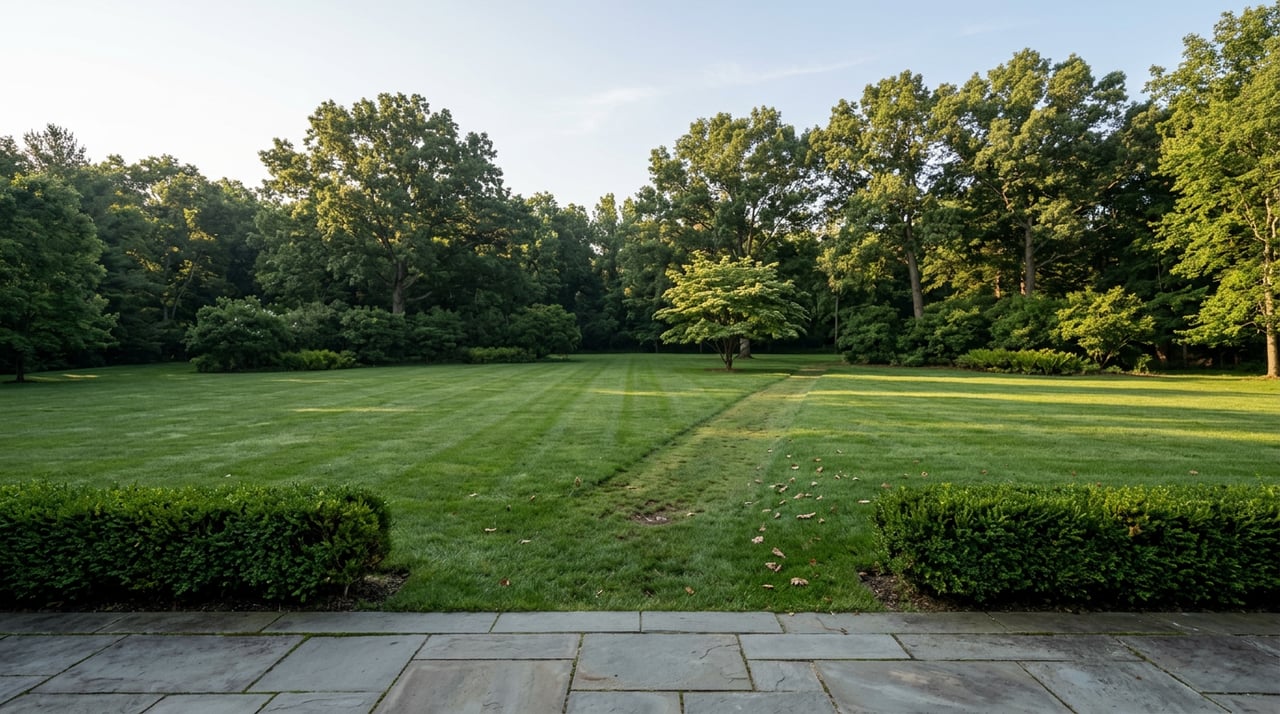
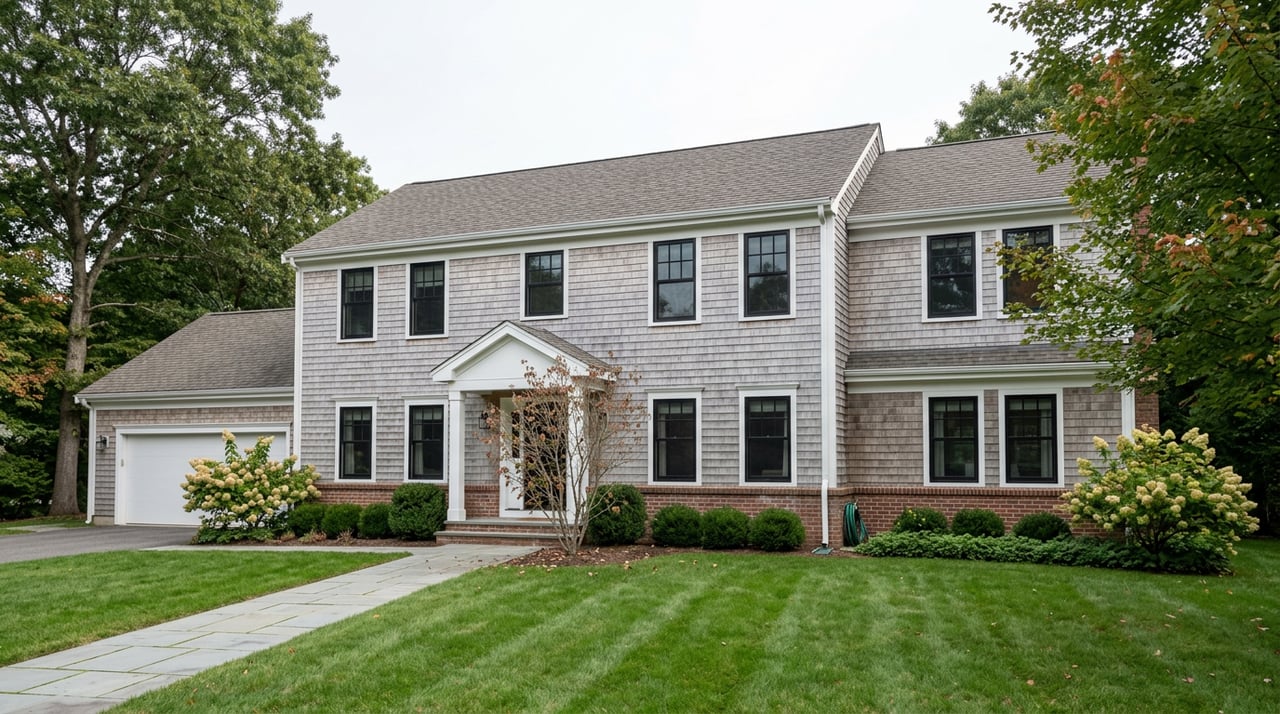
Outside, curb appeal should feel refined and credible. That may mean sharpening driveway edges, cleaning stonework, trimming mature landscaping, and making sure gates, walls, and outdoor living areas appear maintained and functional. In a market where grounds are part of the value story, exterior presentation deserves the same attention as the interiors.
Resolve permits and records early
One of the most important pre-sale steps is confirming that prior work was properly permitted and completed. The Old Westbury Building Department handles permits and Certificates of Occupancy, and the village lists common permit categories that often matter for estate properties, including additions, alterations, fences, gates, retaining walls, generators, solar, pools, tennis courts, demolition, and other site improvements.
If your property has had years of upgrades, it is wise to review the file before marketing begins. Buyers may ask about additions, accessory structures, mechanical improvements, or outdoor features, and unresolved permit history can create delays or uncertainty during contract negotiations. Clearing up missing paperwork early is usually easier than trying to solve it under pressure.
You should also organize supporting records into one place. Surveys, warranties, repair invoices, inspection reports, and prior approvals can help tell a clearer story about the estate’s upkeep and improvements. For older homes with complex systems, this documentation can be especially valuable.
Prepare for New York disclosure requirements
New York’s current Property Condition Disclosure Statement became required on July 1, 2025. According to the New York Department of State, the form must be delivered to the buyer or the buyer’s agent before the buyer signs a binding contract of sale. Failure to deliver it can trigger a $500 credit to the buyer at transfer, and a knowingly false or incomplete statement can expose the seller to claims.
For an older estate, this form deserves careful attention. The prompts cover issues such as water damage, fuel tanks, asbestos, lead plumbing, radon, floodplain and wetland status, and certificates of occupancy. If the home was built before 1978, the state also specifically encourages investigation for lead-based paint.
This is one reason many sellers benefit from getting organized early. If questions arise about historic repairs, environmental conditions, or older systems, you want clear information available before the property goes live. A well-prepared file can reduce stress and help avoid last-minute surprises.
Use licensed professionals when needed
Complex estate properties often benefit from expert review before they hit the market. The New York Department of State consumer guidance advises buyers to confirm that inspectors are licensed in New York, which also signals to sellers that using qualified professionals matters when evaluating a home’s condition and records.
If your estate includes older mechanical systems, well or septic-related work, prior environmental issues, or substantial site improvements, early consultation can be a smart move. A licensed professional may help you understand what should be repaired, documented, or disclosed before launch. That preparation can strengthen your position once buyers begin their own due diligence.
Stage for scale and livability
Staging is not about making an estate look trendy. It is about helping buyers understand how the property lives, how rooms relate to one another, and how the scale feels in person. According to the NAR 2025 staging profile, 83% of buyers’ agents said staging made it easier for buyers to visualize the property as a future home, and 17% said staging increased dollar value offered by 1% to 5% compared with similar unstaged homes.
The same report found that staging can also help with market time. Sellers’ agents reported slight decreases in time on market in 30% of cases and great decreases in 19% of cases. For a high-value property, that reinforces the value of a tailored presentation plan.
The rooms with the biggest impact are consistent. Living rooms, primary bedrooms, kitchens, and dining rooms rank among the most important spaces to stage. On an Old Westbury estate, you should also think carefully about offices, baths, and meaningful outdoor living areas, especially if they help buyers understand the property’s daily function.
Keep staging elegant and believable
There is a difference between refined presentation and overproduction. NAR reported that 58% of respondents said buyers were disappointed by how homes looked compared with homes shown on television. That is a useful reminder that the goal is not fantasy. The goal is a polished, accurate version of the real property.
In Old Westbury, understated elegance usually works better than aggressive trend styling. Buyers should see proportion, light, craftsmanship, and condition. Furnishings and decor should support those qualities rather than compete with them.
Invest in visuals that match the home
Professional visuals are essential for estate marketing. The NAR staging profile found that buyers’ agents considered photos important at 73%, videos at 48%, and virtual tours at 43%, with physical staging also ranking highly. For a large property, strong visuals do more than attract attention. They help buyers understand scale, layout, and setting before they ever schedule a showing.
That matters because estate buyers are often screening carefully from a distance. The more clearly the visuals communicate the home’s architecture, interior flow, and grounds, the more qualified the interest tends to be. On a property with long driveways, formal gardens, or multiple structures, visual clarity can be a major advantage.
Build a factual marketing story
The strongest listing narrative for an Old Westbury estate is usually grounded in verifiable features. Estate history, lot size, architecture, gardens, privacy, and documented upgrades all help shape a compelling story when they are described accurately. That approach aligns with the village’s estate heritage and supports buyer confidence.
A good narrative should translate facts into value. If a home has meaningful updates, describe them precisely. If a feature is original and well preserved, that can also be part of the story. What matters is that every claim reflects a real, supportable attribute of the property.
Stay accurate in advertising
Accuracy is not just good practice. It is required. The New York Department of State real estate advertising guidance states that internet advertising rules require clear disclosure of the listing agent and the word “advertisement” in certain online contexts. The state has also warned that AI-generated images can be misleading if they do not honestly depict the property.
For sellers, the takeaway is simple. Marketing should show your estate at its best, but it should remain truthful about room proportions, finishes, views, and features. Edited visuals should never suggest improvements or amenities the property does not actually have.
That standard is especially important in Old Westbury, where buyers expect polish but also precision. Transparency can protect credibility from the first online impression through closing.
Your pre-listing checklist
Before your estate goes to market, make sure you have covered the essentials:
- Declutter primary rooms, storage areas, garages, and accessory spaces
- Deep clean the full property, including utility and service areas
- Refresh curb appeal and review landscaping, gates, walls, and outdoor zones
- Confirm permits and Certificates of Occupancy for prior work
- Gather surveys, warranties, invoices, and repair records
- Review the New York Property Condition Disclosure Statement requirements
- Consult licensed professionals if older systems or site issues need evaluation
- Stage key rooms to show scale, livability, and flow
- Use professional photography and video that accurately depict the property
- Build a fact-based marketing story around the estate’s true strengths
Selling an Old Westbury estate is rarely about one quick cosmetic fix. It is a process of aligning presentation, documentation, and strategy so buyers can see the property clearly and move forward with confidence. When that preparation is done well, you are in a stronger position to protect both value and momentum.
If you are thinking about selling and want a discreet, well-informed plan tailored to your property, Dalia Elison can help you prepare, position, and present your estate with the level of care this market demands.
FAQs
What should sellers prepare before listing an Old Westbury estate?
- Sellers should focus on decluttering, deep cleaning, curb appeal, permit review, gathering records, disclosure preparation, staging, and accurate marketing materials.
Why do permits matter when selling an Old Westbury estate?
- Permit history matters because buyers may ask whether additions, pools, gates, generators, tennis courts, or other improvements were properly approved and completed.
What disclosure form is required for New York home sellers?
- New York requires the Property Condition Disclosure Statement, which must be delivered before the buyer signs a binding contract of sale.
Which rooms matter most when staging a luxury estate for sale?
- Staging should prioritize the living room, primary bedroom, kitchen, and dining room, then extend to important secondary spaces and outdoor living areas.
How should marketing for an Old Westbury estate be presented?
- Marketing should highlight verifiable features such as architecture, lot size, grounds, privacy, and documented upgrades, while keeping photos and descriptions accurate and honest.