Considering a move to Long Island’s North Shore? If you’re new to the area, choosing where to live can feel overwhelming. The North Shore is made up of many distinct communities, and each one has its own character, housing market, school districts, tax structure, commute, and lifestyle.
Before you start touring homes, here are 10 things to know about buying a home on Long Island’s North Shore.
1. The North Shore Is Made Up of Very Different Communities
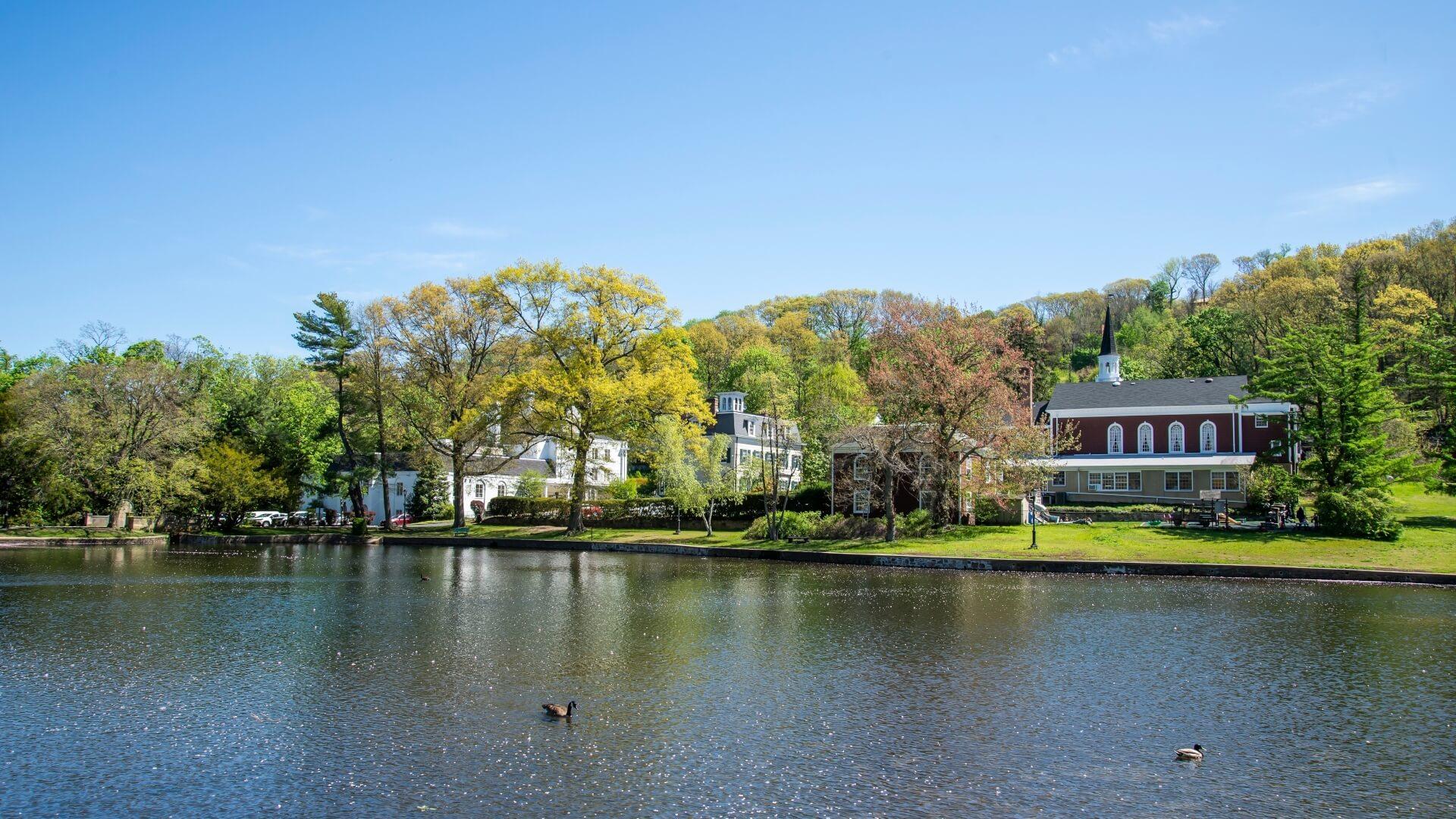
One of the first things to understand is that there isn't one single "North Shore" lifestyle.
Communities including Roslyn, East Hills, Old Westbury, Manhasset, Port Washington, Brookville, Syosset, Muttontown, and Glen Cove each offer something different.
Some communities are known for larger properties and estate-style homes, while others offer more walkability, waterfront access, restaurants, shopping, or convenient train service to Manhattan.
The right community ultimately depends on what matters most to you.
Looking for:
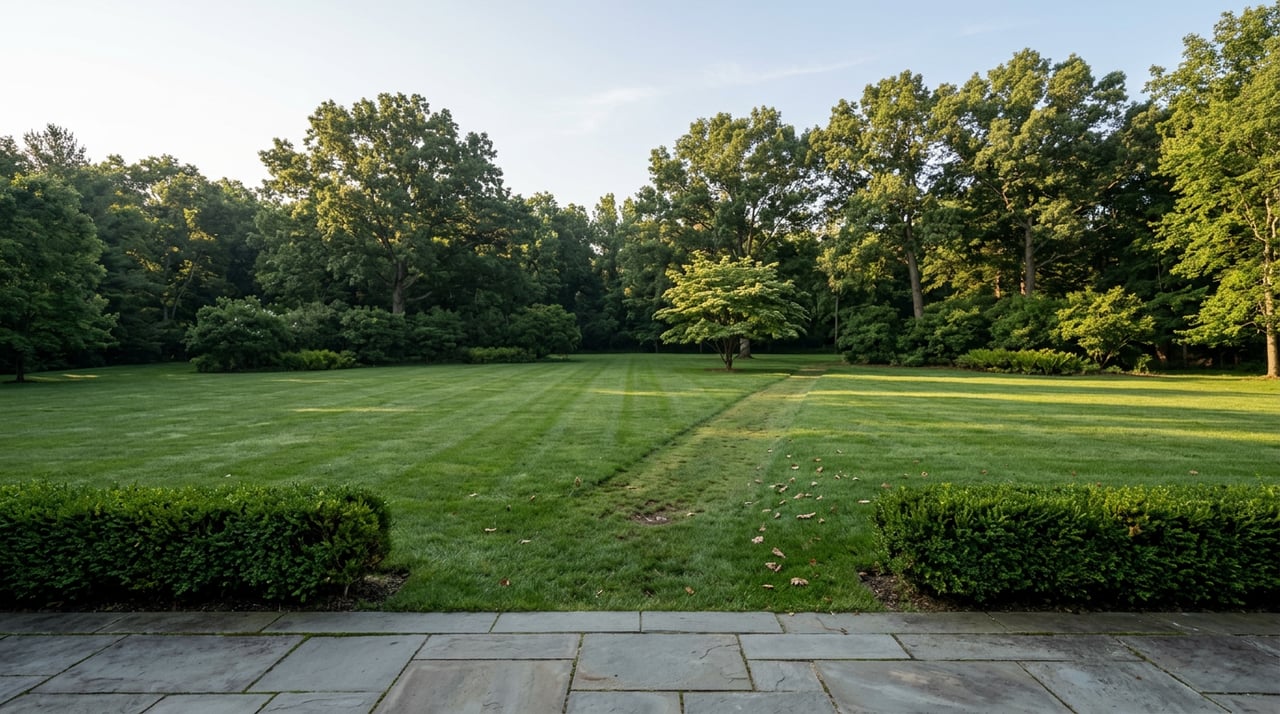
A larger property with privacy? Certain areas of Old Westbury, Brookville, and Muttontown may be worth exploring.
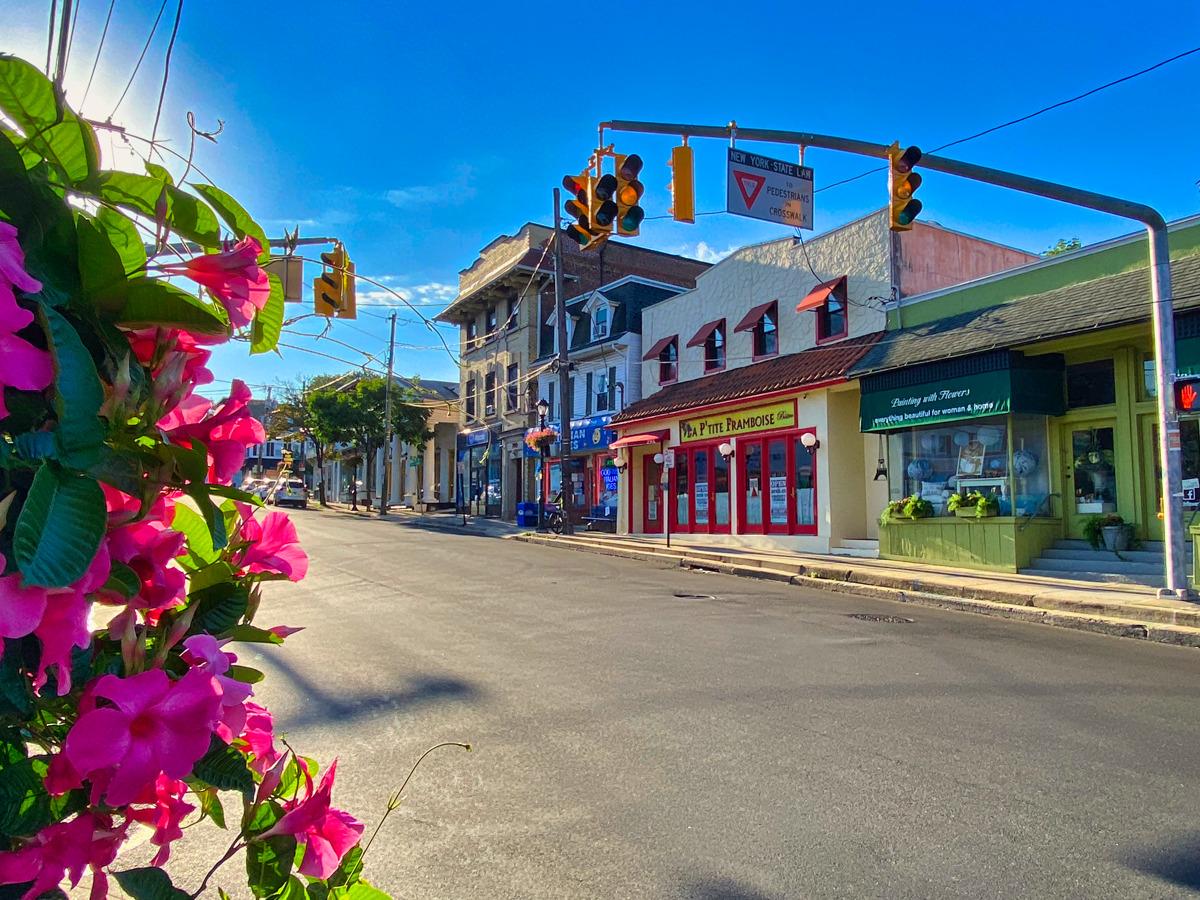
A walkable village atmosphere? Roslyn and Port Washington offer vibrant downtown areas.
Easy access to Manhattan? Train access and commute times may make communities such as Roslyn, Manhasset, and Port Washington particularly appealing.
Waterfront living? Manhasset, Port Washington, Glen Cove, and other North Shore communities offer a variety of properties near the water.
Exploring several communities before narrowing your search can help you discover which lifestyle feels right for you.
2. School Districts Are a Major Consideration
For many families moving to Long Island, schools are one of the most important factors when choosing a home.
The North Shore is home to numerous highly regarded school districts, but school boundaries can be very specific. Two homes that look close together on a map can potentially fall within completely different districts.
If schools are important to your decision, always confirm the school district associated with a specific property rather than relying solely on the town or mailing address.
It is also helpful to consider the bigger picture. School districts, commute, taxes, activities, neighborhood feel, and the type of home you can purchase within your budget all play a role in finding the right fit.
3. Property Taxes Need to Be Part of Your Budget
One of the biggest adjustments for buyers relocating to Long Island is understanding property taxes.
The purchase price of a home is only one part of the overall cost of ownership. Property taxes can vary significantly from property to property, even among homes with similar sale prices.
When determining your budget, consider:
Annual property taxes
Homeowners insurance
Utilities
Landscaping and property maintenance
Pool maintenance, if applicable
Waterfront maintenance, if applicable
Potential renovation or repair costs
For buyers considering larger properties, these ongoing expenses can be particularly important.
A home that fits your purchase-price budget may have a very different monthly or annual cost once all expenses are considered.
4. Understand the Different Local Boundaries
Long Island's local government structure can be confusing if you're moving from New York City or another state.
A property can be associated with a particular town, village, school district, fire district, water district, and other special districts. These distinctions can affect taxes, services, and the overall cost of living.
This is one reason local knowledge is so valuable when purchasing on the North Shore.
Rather than simply searching for homes by town name, make sure you understand the specific location and districts associated with any property you're seriously considering.
5. Your Budget Can Look Very Different From Town to Town
One of the most important things to understand when buying on the North Shore is that your budget doesn't necessarily buy the same type of home everywhere.
For example, a particular price point might offer a renovated home on a smaller property in one community, while the same budget could provide more land or privacy- but potentially a home that needs updating- in another.
This is why it can be helpful to look beyond your initial list of "must-see" towns.
If you're relocating to Long Island, touring different communities can give you a much better understanding of where your priorities and budget align.
You may find that the community you initially overlooked ends up being the perfect fit.
6. Consider Your Commute Before Falling in Love With a Home
For anyone who works in Manhattan, the commute is an important part of the home-buying decision.
Several North Shore communities offer access to the Long Island Rail Road, but station locations, schedules, parking, and commute times vary.
Before purchasing, think about what your typical weekday will look like.
How far will you need to drive to the train station? How long will the entire commute take? Is the station convenient for your schedule?
A beautiful home is wonderful- but the right home should also work for your everyday life.
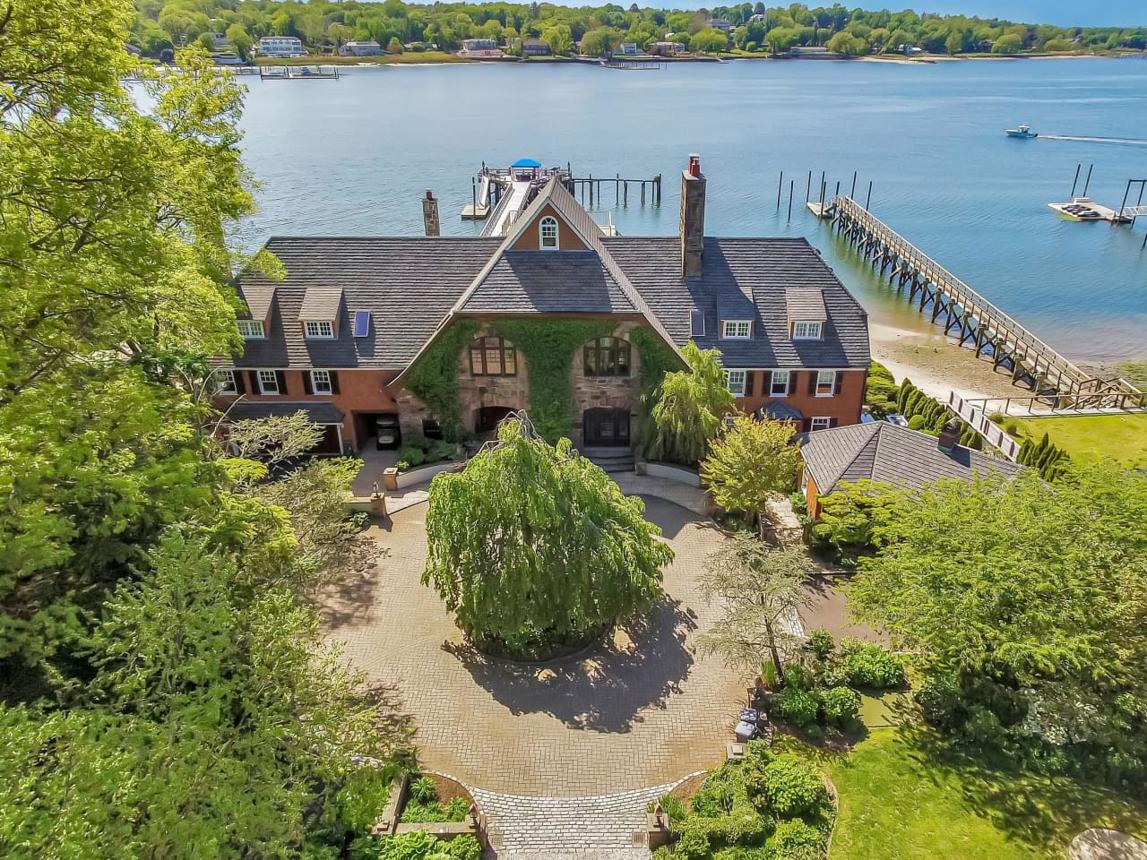
7. Waterfront Properties Require Additional Due Diligence
The North Shore's waterfront lifestyle is one of its biggest attractions.
Homes near Manhasset Bay, Hempstead Harbor, Long Island Sound, and other waterways can offer beautiful views, boating opportunities, and an incredible coastal lifestyle.
However, waterfront properties can come with additional considerations that buyers should understand before purchasing.
Depending on the property, buyers may need to investigate:
Flood zones
Flood insurance
Elevation
Bulkheads and seawalls
Docks and permits
Drainage
Waterfront maintenance
Storm-related considerations
Waterfront ownership can be incredibly rewarding, but understanding the property's specific circumstances is an important part of the buying process.
8. Decide Whether New Construction or Resale Is Right for You
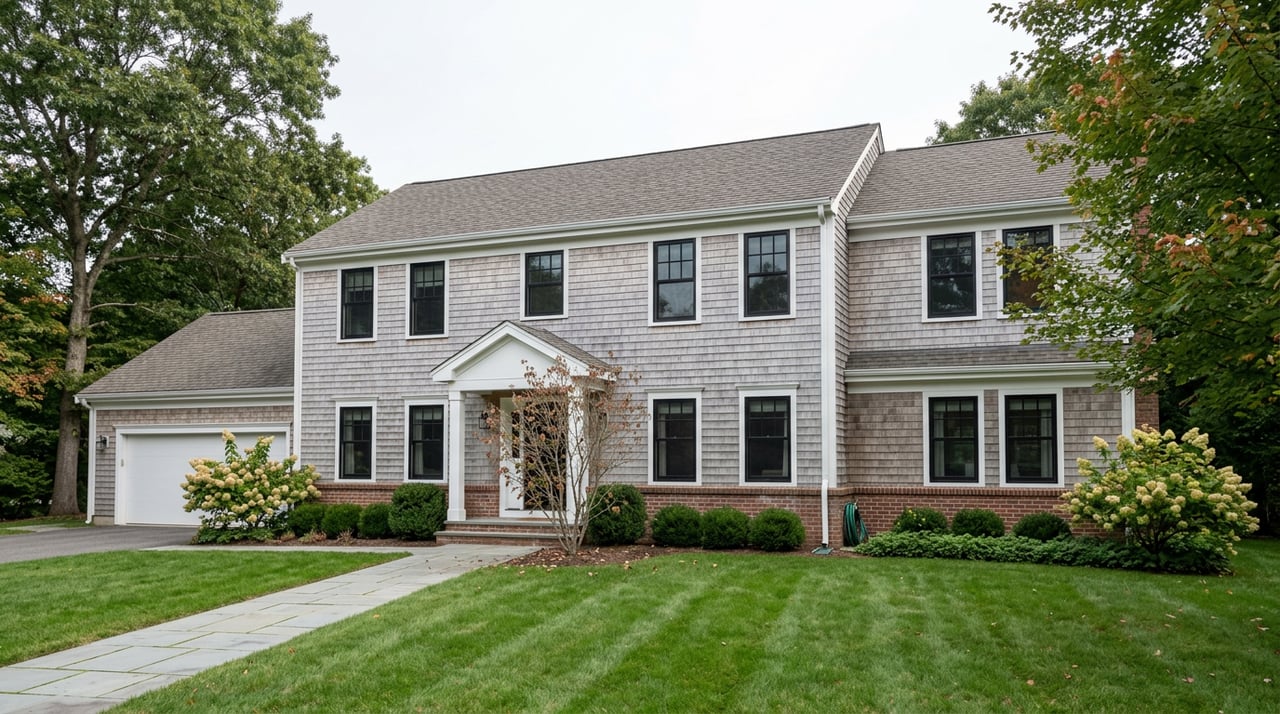
The North Shore offers a wide variety of homes, from historic properties and classic Colonials to extensively renovated homes and brand-new construction.
Resale homes may offer mature landscaping, established neighborhoods, architectural character, and features that are difficult to replicate.
New construction can offer modern floor plans, updated systems, energy efficiency, and the opportunity to select certain finishes and features.
If you're considering new construction, remember that the base price may not represent the final cost. Buyers should carefully review available upgrades, landscaping, taxes, closing costs, and other potential expenses.
Having an experienced real estate professional representing your interests can be especially valuable when navigating a new-construction purchase.
9. Think About How You Actually Want to Live
It's easy to get caught up in bedrooms, bathrooms, square footage, and finishes.
But when choosing a North Shore community, lifestyle should be just as important.
Ask yourself:
Do I want to walk to restaurants and coffee shops?
Do I want a large yard and plenty of privacy?
Is being near the water important to me?
Do I want a shorter commute to Manhattan?
Do I want to be close to shopping and dining?
Am I looking for new construction or an established home?
Do I want a quiet residential setting or a community with more activity?
There is no single "best" North Shore town. The best community is the one that fits your lifestyle, priorities, and long-term plans.
10. Local Expertise Can Make a Difference
Buying a home on Long Island's North Shore is a significant decision, particularly if you're relocating from another area.
An experienced local real estate professional can help you look beyond the listing photos and understand the differences between communities, neighborhoods, properties, taxes, schools, inventory, and new construction opportunities.
The goal isn't simply to find you a beautiful house.
It's to help you find the right home in the right community.
North Shore Communities to Explore
Depending on your priorities, your search may include:
Roslyn - A sought-after North Shore community with a charming village atmosphere, restaurants, shops, and convenient access to Manhattan.
East Hills - Known for great community amenities, and a residential setting.
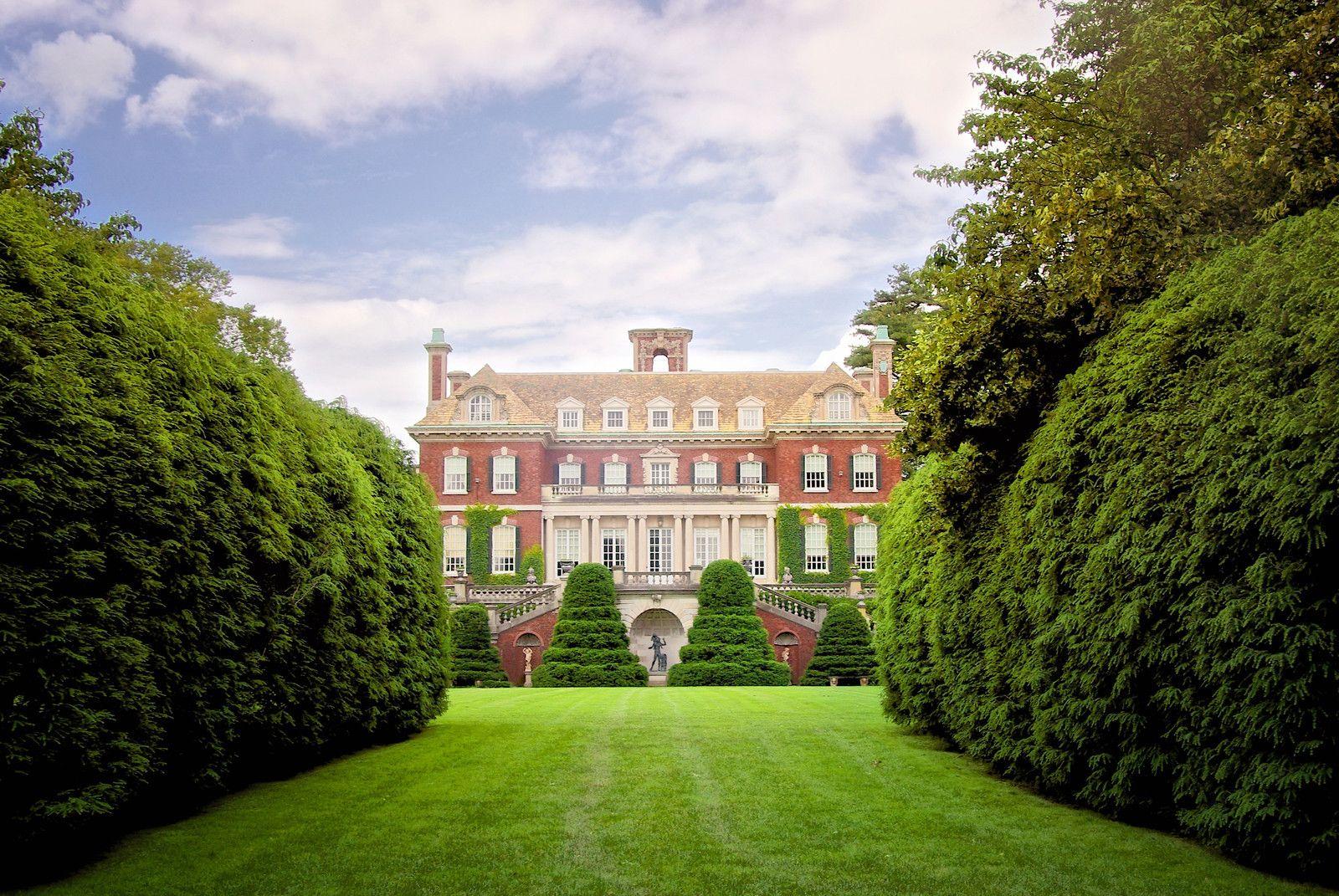
Old Westbury - Known for expansive properties, estate-style homes, privacy, and beautiful grounds.
Manhasset - Shopping and dining, train access, and a variety of luxury properties.
Port Washington - A waterfront community with a lively downtown, restaurants, shopping, parks, beaches, and access to Manhattan.
Brookville - Known for larger properties, privacy, and a more secluded residential atmosphere.
Muttontown - A more private, estate-style community characterized by larger properties, wooded settings, and a peaceful suburban atmosphere.
Each community offers its own advantages, and the best choice depends on what you're looking for in your next home.
Frequently Asked Questions About Moving to Long Island's North Shore
Is the North Shore of Long Island a good place to live?
For buyers looking for a combination of suburban living, strong community amenities, access to New York City, excellent schools, and proximity to the water, the North Shore can be an excellent place to call home.
However, every community is different, so it's important to find the area that best matches your lifestyle and budget.
Is the North Shore expensive?
The North Shore includes a wide range of properties and price points, although many of its communities are known for higher-value homes and luxury real estate.
Property taxes and ongoing maintenance costs should also be considered when determining your overall budget.
How far is the North Shore from New York City?
Travel times vary depending on the community and your destination in Manhattan. Several North Shore communities offer Long Island Rail Road access, making commuting into New York City a practical option for many residents.
What should I look for when buying a home on Long Island?
Beyond the home itself, buyers should consider the school district, property taxes, local districts, commute, neighborhood, property condition, potential maintenance costs, and how well the location fits their lifestyle.
Ready to Find Your Place on the North Shore?
Whether you're relocating from New York City, moving from another part of Long Island, or simply ready for a change, finding the right North Shore community is the first step.
With extensive knowledge of Roslyn, Old Westbury, East Hills, Manhasset, Port Washington, and surrounding North Shore communities, Dalia Elison can help you explore your options and navigate the process from your initial search through closing.
Looking for a home on Long Island's North Shore? Contact Dalia HERE to begin your search.