Condo or single-family home? In Roslyn, both can be smart moves, but they deliver very different lifestyles and costs. If you want lock-and-leave living near the village, a condo may shine. If you value yard space and privacy, a detached home might fit better. In this guide, you’ll compare price ranges, monthly costs, lifestyle tradeoffs, financing, taxes, and resale dynamics specific to Roslyn so you can decide with confidence. Let’s dive in.
Roslyn market snapshot
Roslyn market stats can shift depending on where you draw the map, whether that is the incorporated Village of Roslyn or the broader 11576 ZIP. Boundaries matter, and they are not identical, so always confirm which area a data point references. You can review local context on the village’s geography on the Roslyn page on Wikipedia.
Single-family prices in the greater Roslyn area typically fall in a high range relative to the national average. Several data vendors place median values roughly between the low $1.4 million and $1.6 million range depending on method and geography. For a county-level and locality data view, see the Roslyn page within ATTOM’s property data platform for reference to market value trends and transaction context (ATTOM Roslyn profile).
Condominiums and townhouse-style condos span a wide band. Older garden or townhouse communities in the broader 11576 area often start around the $700,000s, while newer waterfront or luxury townhomes near the harbor can reach about $1.6–$1.8 million. Recent examples include luxury townhomes in waterside developments near downtown and larger units in established communities that trade up the scale based on size and renovation level.
Where condos and homes sit
Downtown and waterfront
Close to Roslyn’s historic main street and harbor, you’ll find newer townhomes and boutique condos. These emphasize convenience to restaurants and shops, plus a low-maintenance lifestyle. Many buyers choose these for the ability to walk to town and enjoy modern finishes with shared amenities.
Suburban condo communities
In the broader 11576 area, large planned communities offer garden-style or townhouse condos with clubhouses, fitness rooms, pools, and seasonal services. Monthly HOA dues commonly sit in the mid to high hundreds per month, with fees rising alongside on-site amenities and services. These settings appeal if you want space without the yardwork.
Detached-home areas
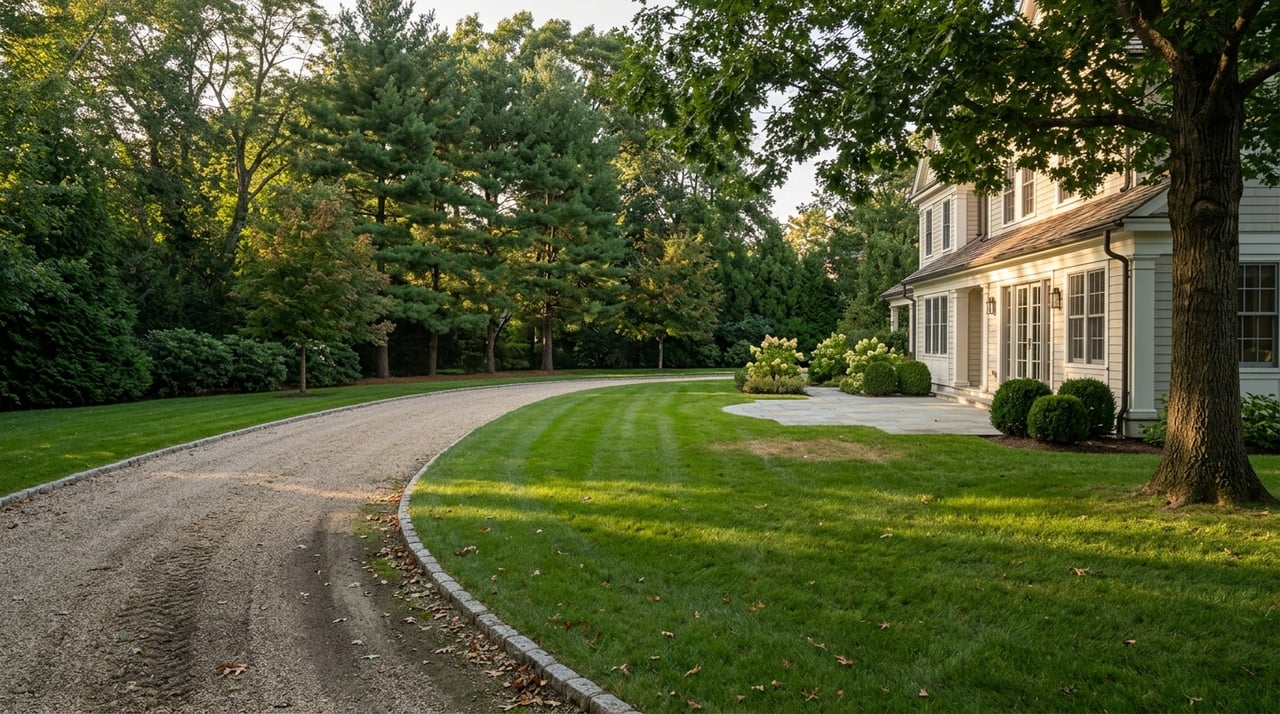
If you want more privacy and land, explore adjacent villages and neighborhoods known for single-family homes and larger lots. Many homes here are updated or expanded and can command premiums for size, renovation, and setting. Neighborhood choice changes the feel, from leafy streets to proximity to village life.
Costs: HOA dues vs upkeep
Condo ownership concentrates many costs into a monthly HOA payment. Dues often cover exterior maintenance, common-area insurance, grounds, snow removal, and amenity upkeep. State-level surveys show HOA fees commonly land in the mid to high hundreds per month, depending on amenity level (average HOA fee context). Always confirm exactly what your dues include.
With a single-family home, you take on all exterior and systems maintenance. A helpful planning rule is to budget roughly 1 to 3 percent of the home’s value per year for routine upkeep and repairs. That number can be higher for older systems or properties with pools and long driveways. Your actual spend will vary by age, condition, and use.
Space, privacy, and lifestyle
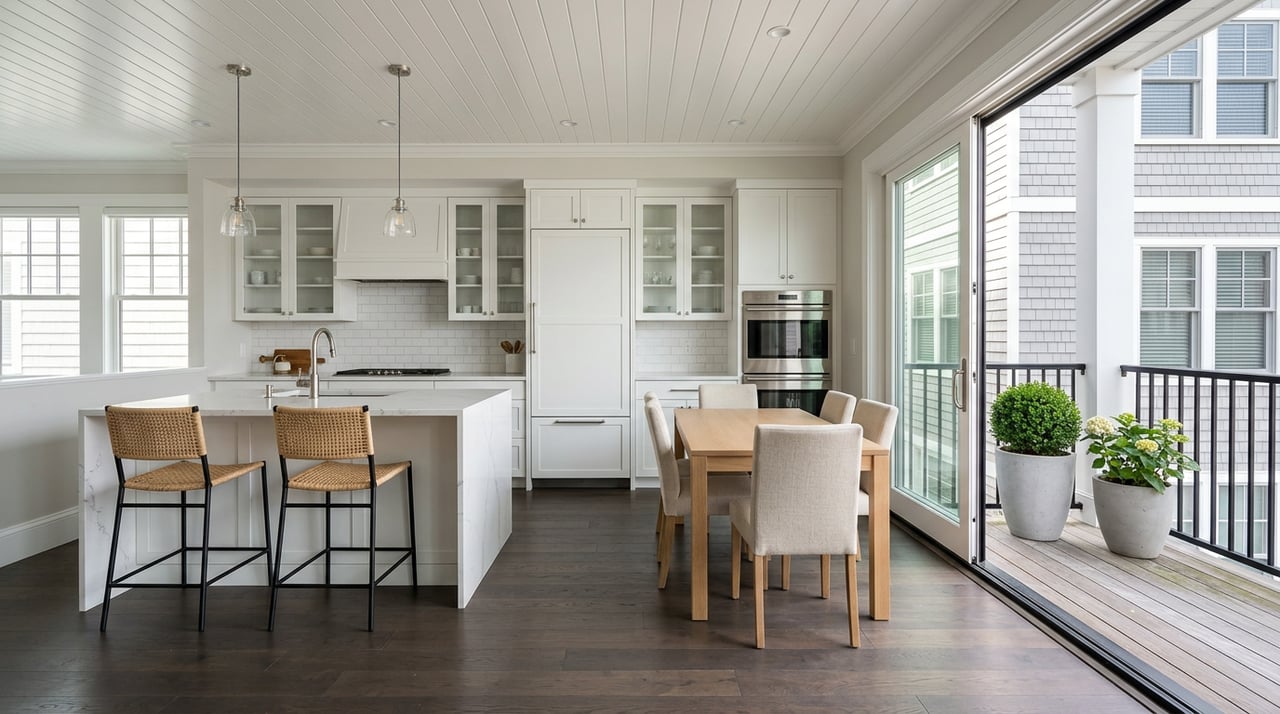
Condos and townhomes usually share walls and offer limited private outdoor space, but they trade that for convenience. Many buyers value the social side of shared amenities and the ability to travel without worrying about yardwork.
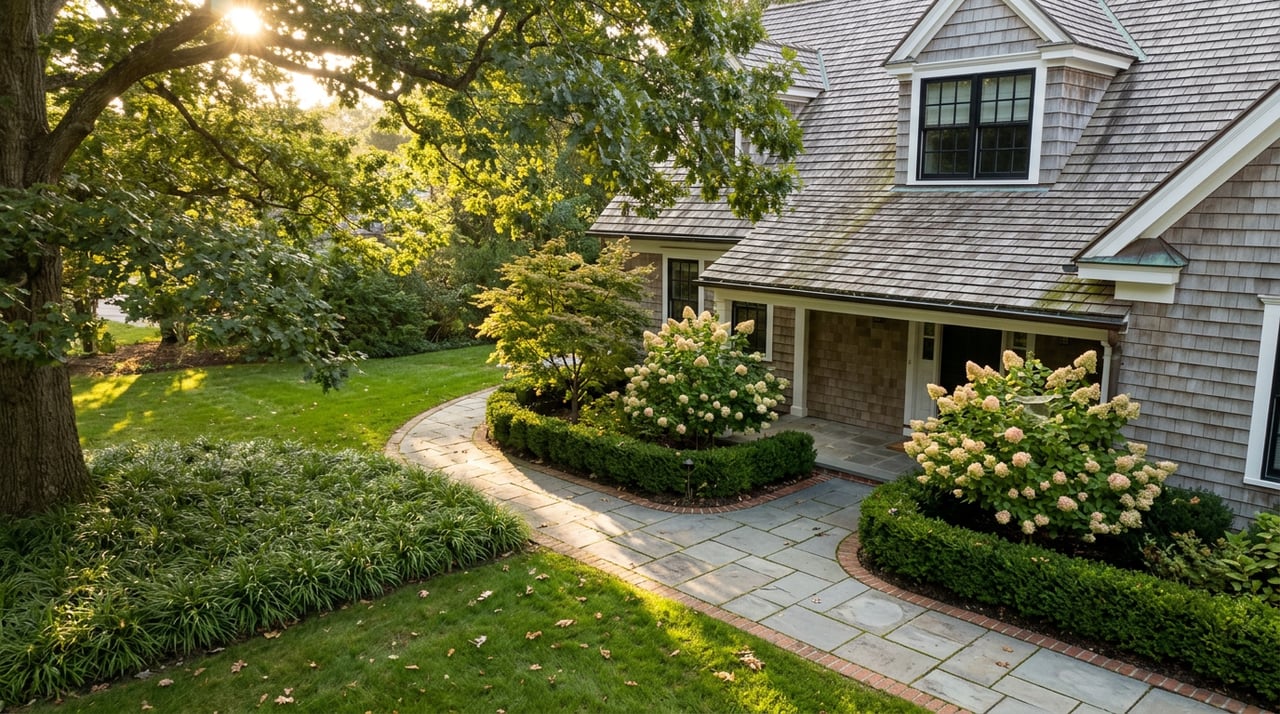
Detached homes offer more control. You set your landscaping, add outbuildings, and enjoy greater separation and outdoor space. If you plan to expand or want room for pets and gatherings, the flexibility of a single-family property is a draw.
Amenities and walkability
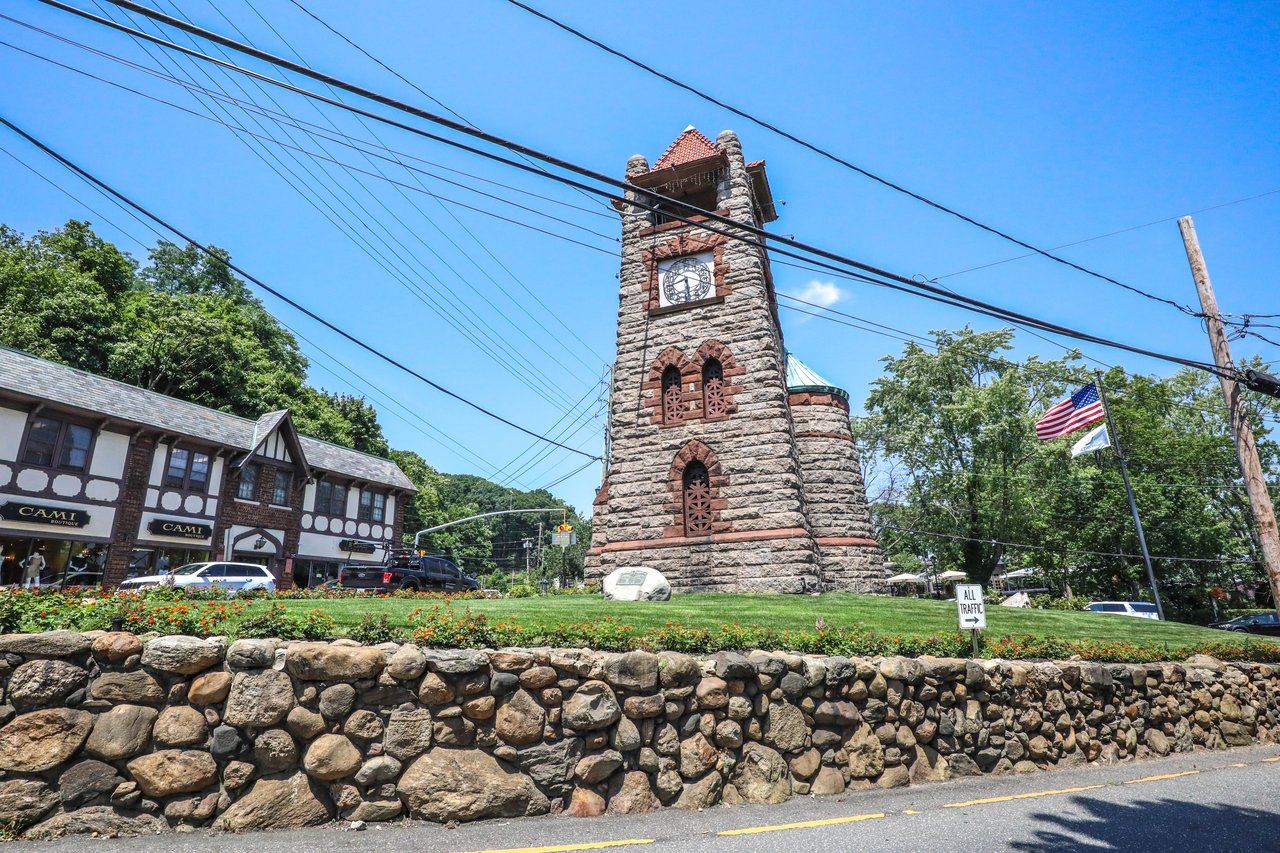
Downtown Roslyn is small and pleasantly walkable. Condos near the harbor and village core sell on easy access to dining, coffee, and services. Larger suburban condo communities may be a short drive from shops, but they often add value with on-site perks like pools, clubhouses, fitness rooms, and sometimes shuttle services.
Commute and transit
Roslyn sits on Long Island’s North Shore less than 20 miles from midtown Manhattan by road, depending on your route and traffic. The Long Island Rail Road station historically associated with Roslyn sits just outside the village limits in Roslyn Heights. Some area condo communities advertise short drives or shuttle options to nearby LIRR stations. When you compare properties, factor in trip time from driveway or lobby to the platform you plan to use most.
Financing, taxes, and resale
Nassau County property taxes
Nassau County’s property taxes are meaningfully higher than the national average. Effective rates often range around 1.5 to 1.8 percent of market value, and median annual tax figures fall near five digits. Always verify the actual tax bill for a specific address, and use county resources to understand assessments and appeals (Nassau tax overview).
Condo loan rules and warrantability
Lenders underwrite condos at two levels: you and the building. Many conventional and government-backed programs apply project rules for things like owner-occupancy, reserves, litigation, and commercial space. If a project does not meet those standards, it can be labeled non-warrantable, which narrows loan options and can affect resale. Work with a lender who is fluent in North Shore condo reviews and project approvals (condo financing primer).
HOA financial health
Before you commit, request and review the HOA budget, reserve study, recent meeting minutes, and any disclosures about litigation or planned capital work. Low reserves or pending projects can lead to higher dues or special assessments, which affect affordability and future marketability. Ask for owner-occupancy rates too, since some loan programs require minimum thresholds.
Location risks: flood and waterfront
Waterfront and low-lying properties near Hempstead Harbor can carry higher flood exposure. Review FEMA flood maps and regional resiliency tools early, and get an insurance estimate if the property sits in a Special Flood Hazard Area. Flood insurance requirements and costs vary by exact parcel and elevation (flood mapping resources).
Monthly cost comparison example
Below is a simple, illustrative comparison to help you think through monthly costs for a Roslyn-area condo versus a single-family home. Actual numbers depend on your loan, taxes, and property.
| Line item | Condo (example $1.1M) | Single-family (example $1.6M) |
|---|---|---|
| Principal and interest | Varies by loan and rate | Varies by loan and rate |
| Property taxes at 1.5-1.8% | About $16.5k-$19.8k/yr ($1,375-$1,650/mo) | About $24k-$28.8k/yr ($2,000-$2,400/mo) |
| HOA dues | About $500-$900+ per month | Not applicable |
| Exterior maintenance | Included in HOA | Owner-paid; plan 1-3% of value per year |
Tip: Compare apples to apples in the same micro-location. Higher-priced downtown condos can rival entry-level single-family homes on total monthly carry, while larger homes with higher taxes may outpace many condo options.
Which fits you?
Choose a condo if you want:
- Low-maintenance living and the ability to travel with ease.
- Walk-to-town convenience or on-site amenities like a pool or gym.
- Predictable exterior costs through monthly dues.
Choose a single-family home if you want:
- A private yard, outdoor entertaining areas, and room to expand.
- Control over exterior design, landscaping, and long-term improvements.
- Separation from shared walls and more space inside and out.
Buyer checklists
If you are considering a condo
- Request the HOA budget, reserve study, and the last 12-24 months of meeting minutes. Learn how capital projects will be funded (condo project checklist).
- Confirm current monthly dues, what they include, and whether any special assessments are planned.
- Ask about rental rules, pet policies, parking rights, storage, and master insurance coverage.
- Verify owner-occupancy levels and whether the project meets conventional or FHA/VA standards if those loan types matter to you.
If you are considering a single-family home
- Review the property’s tax history and any recent reassessments (Nassau tax context).
- Inspect major systems: roof, HVAC, foundation, drainage, driveway, and any pool or outbuildings.
- Confirm sewer versus septic, property boundaries, easements, and tree conditions.
- Build a maintenance plan and budget based on age, condition, and features.
For any property
- Confirm school district boundaries for the exact address; lines differ across the area (Roslyn Schools district info).
- Time your commute, including the drive or shuttle to the LIRR station you will use.
- Check FEMA flood maps and ask for an insurance estimate if the property is in a mapped flood zone (flood resources).
- Use nearby comparable sales of the same property type to set expectations on price and resale.
When you weigh these factors with your daily routine, you will see a clear path to the property type that fits you. If you want help pressure-testing the numbers, reviewing HOA materials, or planning upgrades, you can lean on local, construction-informed guidance.
Ready to compare actual listings and carry costs side by side? Schedule a Confidential Consultation with Dalia Elison to build a tailored plan and move forward with confidence.
FAQs
What are typical Roslyn condo HOA fees?
- Many communities publish dues in the mid to high hundreds per month, with higher fees in amenity-rich settings. Always confirm coverage and any planned assessments. For general context, see a state-level review of average HOA fees.
How do Nassau County property taxes compare to national averages?
- Nassau’s effective rates often land around 1.5 to 1.8 percent of market value, which is higher than the national average. Verify the tax bill on the specific property and review county guidance (Nassau tax overview).
What affects condo loan approval and resale in Roslyn?
- Lenders review both you and the condo project. Owner-occupancy, reserves, litigation, and commercial space can determine warrantability. Non-warrantable projects limit financing, which can narrow the buyer pool (condo financing primer).
Is Roslyn walkable if I buy a condo near downtown?
- The village core offers a compact, walkable main street near the harbor. Condos in that area tend to emphasize proximity to dining, coffee, and services. If you prioritize this, focus on properties within a short stroll to the center.
Are waterfront condos at higher flood risk?
- Properties near Hempstead Harbor or in low-lying areas can fall into mapped flood zones, which may require flood insurance. Review FEMA maps early and ask for an insurance quote before you finalize terms (flood resources).