If you are thinking about buying a historic home in Roslyn, you are not just shopping for square footage. You are considering a property with architectural character, local history, and a maintenance profile that can look very different from a newer home. The right purchase can be deeply rewarding, but it helps to know what to review before you make an offer. Let’s dive in.
Why Roslyn Appeals to Historic-Home Buyers
Roslyn is one of the oldest villages on Long Island, and period homes are a defining part of its housing stock. The Village of Roslyn has noted that a 1975 publication identified 82 historic structures within its one-square-mile footprint.
That concentration of older homes gives the village a distinct feel. For you as a buyer, it also means architectural details, exterior materials, and approval requirements can play a bigger role in your decision than they might in a typical purchase.
Historic Home Styles in Roslyn
Understanding the home’s style can help you evaluate both charm and future upkeep. In Roslyn, several architectural periods appear regularly in the local housing stock.
Colonial and Greek Revival Homes
Older Colonial-era homes in Roslyn are often one to one-and-a-half stories with side-gable or gambrel roofs, large chimneys, and small or multi-paned windows. These homes often have a simple, early American appearance that many buyers find timeless.
Greek Revival homes tend to add more symmetry and classical detail. You may see front-gable or hipped roofs, entry porches, transoms, and sidelights that create a more formal look.
Victorian-Era Homes
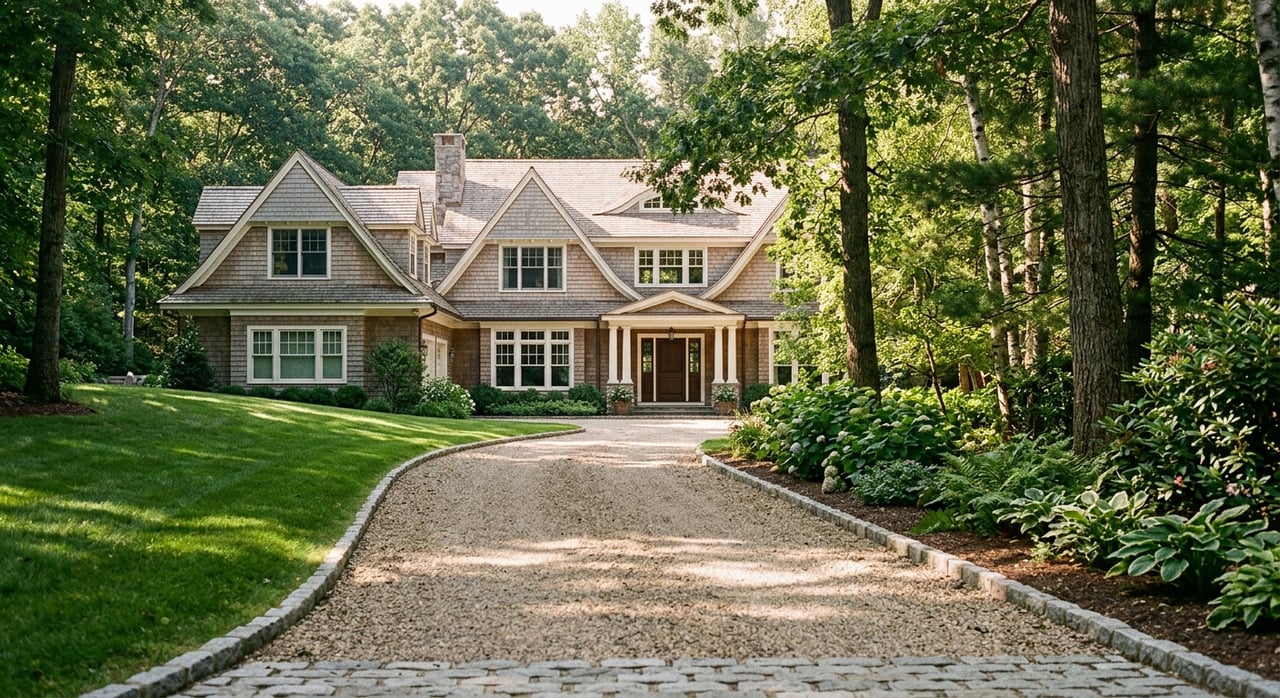
Late-19th-century homes in Roslyn can include Second Empire, Italianate, and Queen Anne influences. These houses often stand out for asymmetrical shapes, steep roofs, bracketed eaves, mansard roofs, patterned slate, tall narrow windows, and decorative wood trim.
If you are drawn to distinctive curb appeal, this era can be especially appealing. It can also come with more exterior detailing to maintain over time.
Early-20th-Century Homes
Roslyn also features early-20th-century Colonial Revival, Tudor Revival, and Bungalow forms. Common details include centered entries, multi-paned double-hung windows, cross-gables or gambrel roofs, half-timbering, and full- or partial-width porches.
These homes often strike a nice balance between period character and layouts that may feel more familiar to modern buyers. Still, each property varies, especially if it has been updated in stages over the years.
What to Verify Before You Make an Offer
A beautiful historic home can become much less appealing if past work was done without approvals. In Roslyn, this is one of the most important parts of your due diligence.
Confirm Historic District Rules
In the village historic district, exterior work requires a permit and review by the Historic District Board. The board reviews items such as paint, siding, windows, roofing, lighting, landscape features, walls, fences, masonry, driveways, and walkways.
Interior changes are generally not reviewed unless they affect exterior appearance. That distinction matters if you are planning cosmetic interior updates versus more visible exterior changes.
Ask for Permits and Approvals
If the seller has completed exterior work, ask for permits, Historic District Board approvals, and any paperwork related to restrictive covenants. The village notes that some properties may carry restrictive covenants that trigger added review.
This is not just a paperwork exercise. Roslyn states that unapproved work can be fined and may have to be removed, so permit history should be reviewed carefully.
Check More Than Historic Approval
Historic District Board approval alone is not the full picture. The village still checks zoning, building, and safety code compliance before issuing a permit.
That means you should verify whether completed work had all necessary approvals, not just design review. This can be especially important if a home has additions, exterior alterations, or site changes.
Review Windows and Doors Closely
Windows and doors deserve special attention in older Roslyn homes. The village notes that changing the type, size, shape, or muntin pattern of windows can dramatically alter a building’s appearance.
Roslyn generally encourages historically appropriate configurations and discourages stock units that do not fit the original opening. If replacements were made, it is worth confirming whether they were approved and whether they align with local guidance.
Common Condition Issues in Older Roslyn Homes
Historic homes can be durable and beautiful, but they usually ask for more watchfulness. A careful inspection process can help you separate manageable upkeep from larger concerns.
Watch for Moisture and Movement
Roslyn’s maintenance guidance recommends checking exterior woodwork every spring and fall and addressing small problems early. Warning signs include bulging walls, out-of-square window and door frames, moisture staining, rot at sills or porch members, and deteriorated flashing.
For a buyer, these issues can point to deferred maintenance or water intrusion. They do not always mean a deal should stop, but they do mean the home deserves a closer look.
Look Beyond Cosmetic Siding Updates
The village warns that vinyl or aluminum siding and capping can trap moisture and conceal rot. That means an exterior that looks low-maintenance at first glance may still require careful evaluation underneath.
Stone walls and painted masonry also need ongoing care. Roslyn notes that painted masonry may need repainting every five to eight years with compatible paint.
Pay Attention to Roofs and Drainage
Roofs and drainage are major preservation issues in older homes. Roslyn emphasizes the importance of weather-tight roofing, proper ventilation, and prompt repair of leaks, ponding, or failed flashing.
You should also note where paint is failing. Paint failure near roof edges, downspouts, and porch ceilings can point to drainage problems rather than a simple cosmetic issue.
Health and Renovation Considerations
If you plan to renovate, older-home safety issues should be part of your budget and timeline. This is especially true if the home has many original painted surfaces or older building materials.
Lead Paint Disclosure
For homes built before 1978, you should expect lead-based paint disclosure materials at the time of sale. If future renovation or repainting work may disturb painted surfaces, lead-safe planning is important.
This does not mean every older home is unsafe. It means you should understand what materials may be present before work begins.
Asbestos Planning During Renovation
If renovation may disturb suspect materials such as floor tile, ceiling tile, or pipe wrap, sampling by a trained and accredited asbestos professional is recommended before starting the work. For buyers planning a major remodel, this step can help avoid delays and surprises.
Balancing Historic Character With Modern Comfort
One of the best parts of buying a historic home is preserving what makes it special. The key is improving comfort without undoing the features that give the house its value and identity.
Upgrade Windows Thoughtfully
Historic windows and doors can often be repaired or upgraded rather than replaced. Roslyn encourages operable windows, caulking, weatherstripping, and wood or interior storm windows, while discouraging visible triple-track aluminum storms on street-facing elevations.
For many buyers, this can be good news. You may be able to improve efficiency while keeping original character intact.
Solve Moisture Problems First
Before adding insulation, Roslyn recommends fixing moisture problems and providing adequate attic, bathroom, kitchen, and laundry ventilation. In older homes, comfort upgrades work best when the building envelope is stable first.
This approach can protect both the home and your renovation budget. It also helps you avoid making an old-house problem worse by sealing in moisture.
Prioritize Interior-Only Technology
Interior-only upgrades are often easier to integrate into a historic home. Based on the village’s rule that interior changes are generally outside Historic District Board review unless they affect exterior appearance, features like smart thermostats or leak sensors may be simpler to add than exterior-mounted equipment or visible penetrations.
If you want modern convenience, this is often where historic homes offer flexibility. You can improve daily living without changing the home’s public-facing character.
A Smart Buying Strategy for Roslyn
Buying a historic home in Roslyn calls for more than a standard showing and inspection. You want a clear picture of the home’s style, condition, permit history, and the practical path for any updates you may want to make.
A measured, informed approach can help you protect both your investment and the architectural value that drew you to the property in the first place. When you understand how local review, maintenance needs, and renovation choices fit together, you can buy with more confidence.
If you are considering a historic purchase in Roslyn and want a discreet, well-informed perspective on condition, value, and long-term potential, Dalia Elison can help you navigate the process with clarity and care.
FAQs
What types of historic homes are common in Roslyn?
- Roslyn commonly features Colonial-era, Greek Revival, Victorian-era, Colonial Revival, Tudor Revival, and Bungalow-style homes, each with distinct exterior details and maintenance considerations.
What should you check before buying a historic home in Roslyn?
- You should review permit history, Historic District Board approvals for exterior work, any restrictive covenant documents, and whether prior work also met zoning, building, and safety code requirements.
Do exterior renovations on historic homes in Roslyn need approval?
- Yes. In the village historic district, exterior work generally requires a permit and Historic District Board review, including changes involving siding, windows, roofing, lighting, masonry, driveways, and walkways.
What condition issues are common in older Roslyn homes?
- Common concerns include moisture staining, rot at sills or porch elements, bulging walls, out-of-square openings, deteriorated flashing, drainage issues, and hidden damage behind some newer exterior coverings.
Can you improve energy efficiency in a historic Roslyn home?
- Yes. Roslyn encourages strategies such as repairing existing windows, adding weatherstripping, using caulking, and considering wood or interior storm windows where appropriate.
Do owner-occupied historic homes qualify for a federal rehabilitation tax credit?
- No. According to the National Park Service, owner-occupied residential properties do not qualify for that federal historic rehabilitation tax credit.